Home → Branding glossary → Brand identity
Brand identity
If the brand is the abstract feeling behind a business, the identity is what makes it tangible: the intuitive feeling that makes a product, service or organisation recognisable and different from all the others. Identity is how that feeling gets created on purpose rather than by accident.
What an identity includes
An identity isn't limited to a logo or a signature colour. It can include any kind of sensory stimulus — the sounds in the ads, the materials of the product, even the work uniform or the service. Laying the foundations of its visual side is our job: trademark, typography, colour, secondary elements, motion and rules of application, working as one coherent system rather than just another logo in isolation.
Why it takes weeks, not days
An identity goes through four phases:
- Research — what the business offers, how it stands apart, what its audience is looking for and what worries it.
- Visual directions — dozens of sketches and tests, then a selection of the strongest. This is the fun part, but also the one where it is easiest to lose your way. We don't leave the client to choose from dozens of ideas, because more choice means less confidence.
- Presentation — we show the directions as if they had already been built, so the client can make a clear decision instead of countless small corrections.
- Finalisation and documentation — the system is written up in the brand guidelines.
What it looks like when it works
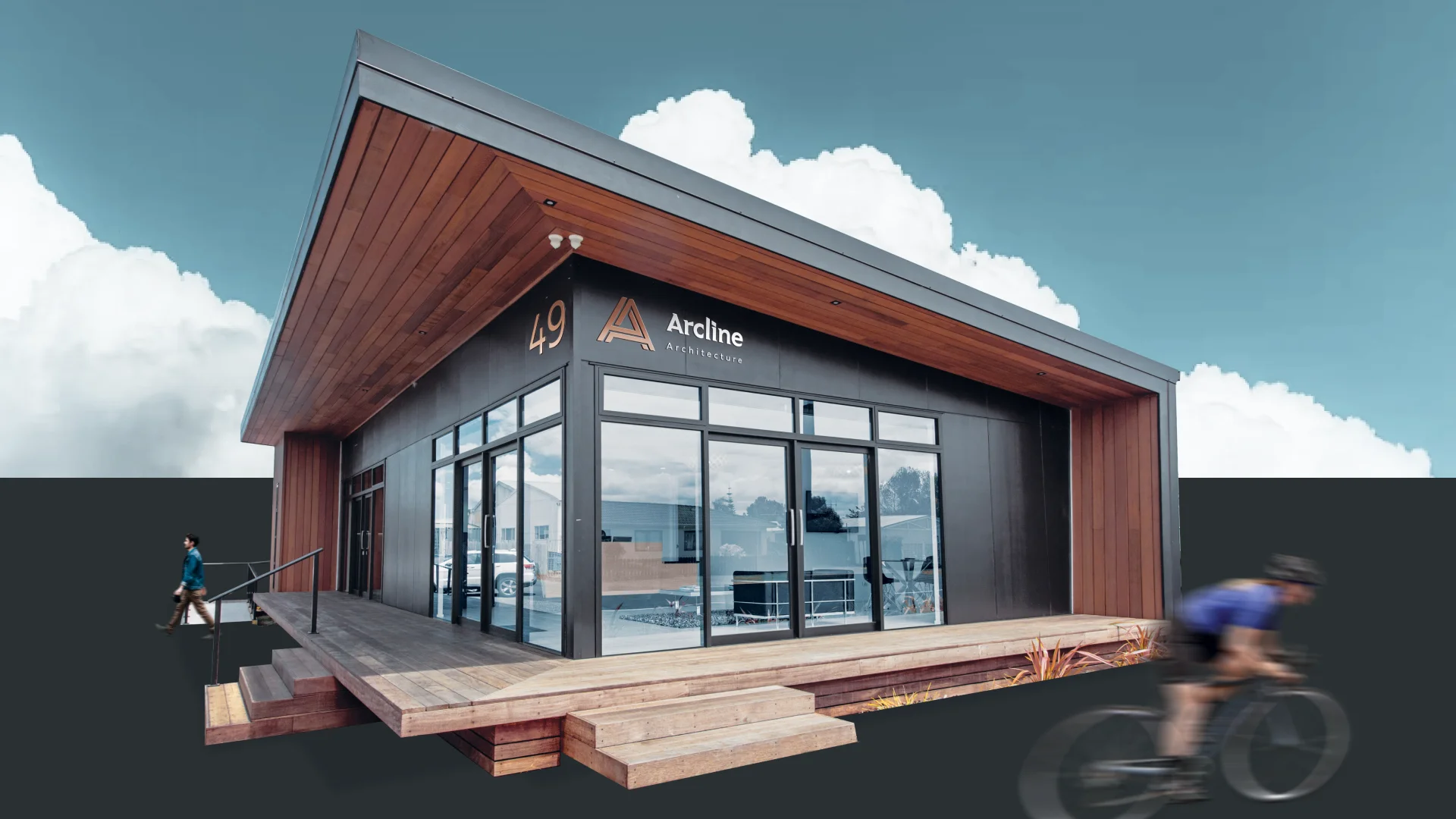
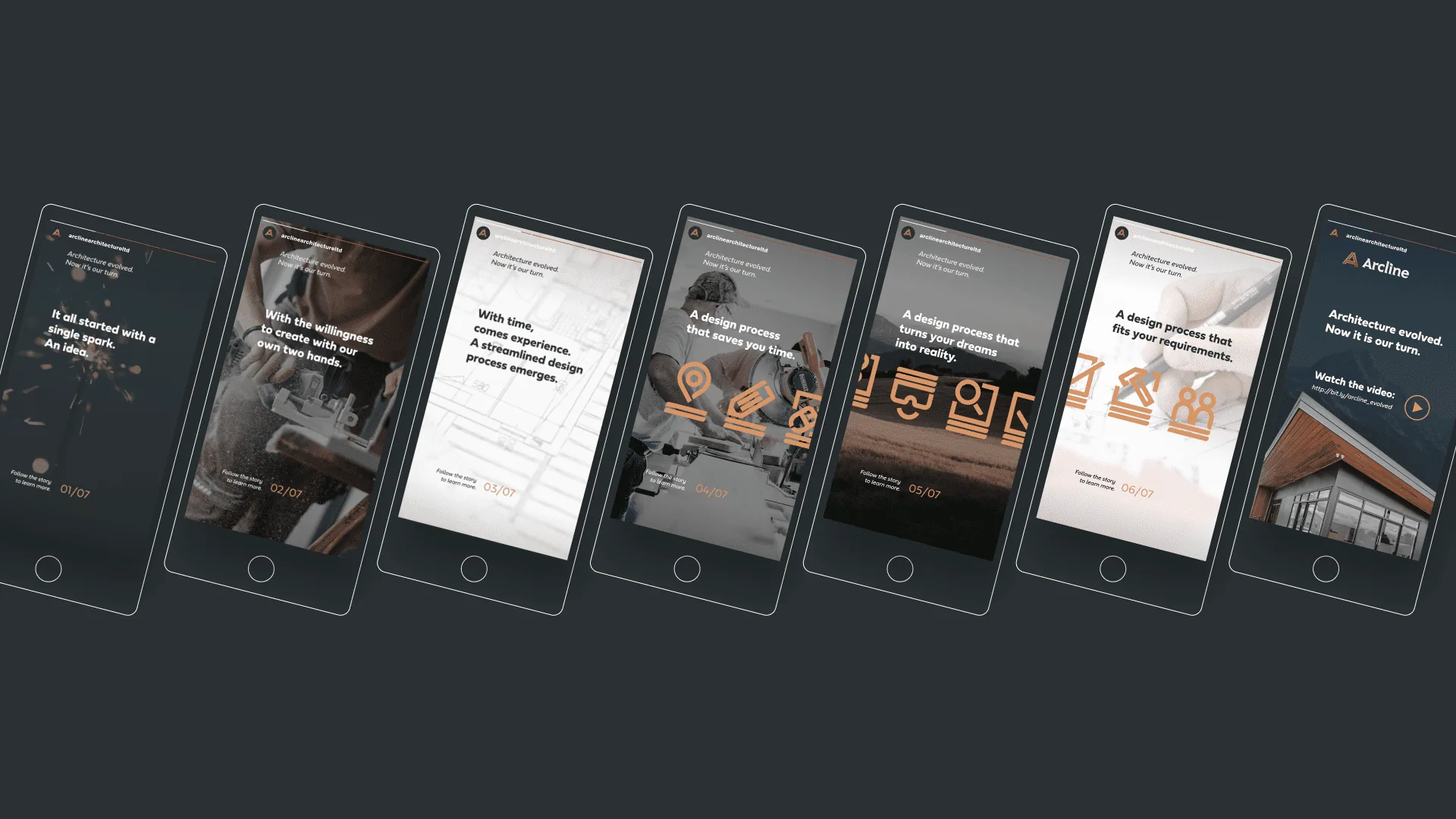
For TYXIT — a Swiss startup in ultra-low-latency communication — we built a loud identity: symbol, typography, website, exhibition stand and merch, with every touchpoint communicating speed, precision and bold confidence. With the new identity, TYXIT closed a CHF 2 million seed round. Projects like Arcline Architecture show how many layers an identity can have when it is planned the right way.
The system is what makes an identity durable. When a new touchpoint is needed tomorrow — a stand, a pack, an ad — the answer is already in the rules, not in yet another argument about taste.
Related terms: Trademark and logotype, Brand design system, Brand guidelines.