
Home → Branding glossary → Rebranding
Rebranding
Rebranding is reworking an existing brand — the name, the identity, the message, or a combination of the three — when the business has outgrown its current image and it is time for a transformation.
When it's time to rebrand
Usually when the market shifts, when the business itself changes structurally, or when over time the brand has lost its recognisability. There is a quieter signal too: when the brand no longer reflects the quality of your work and gets lost among competitors. If you hesitate between handing over your business card and sending a link to your website, the brand has stopped doing its job. A new logo on its own won't solve an old problem, though — if the cause is in the message, that is where we start.
A nudge or a kick
Not every rebrand needs something entirely new. We designers are like crows — curious, playful, but fatally drawn to shiny things, and every project tempts us to show something brand new. But change is evolution only when it builds on the past. Sometimes all the keys are already there and just need to be put in order and in the right context.
That is why rebranding means walking a fine line. On one side, the brand has to keep the continuity that comes with the trust it has earned. On the other, it has to reinvent itself enough to open up new opportunities.
How it unfolds
The brand cycle turns again from the start — strategy (who the audience is, and where their needs meet what you offer), identity, packaging and web / e-commerce presence. They aren't necessarily sequential: sometimes they run in parallel, sometimes in cycles, depending on the case.
What it looks like when it works
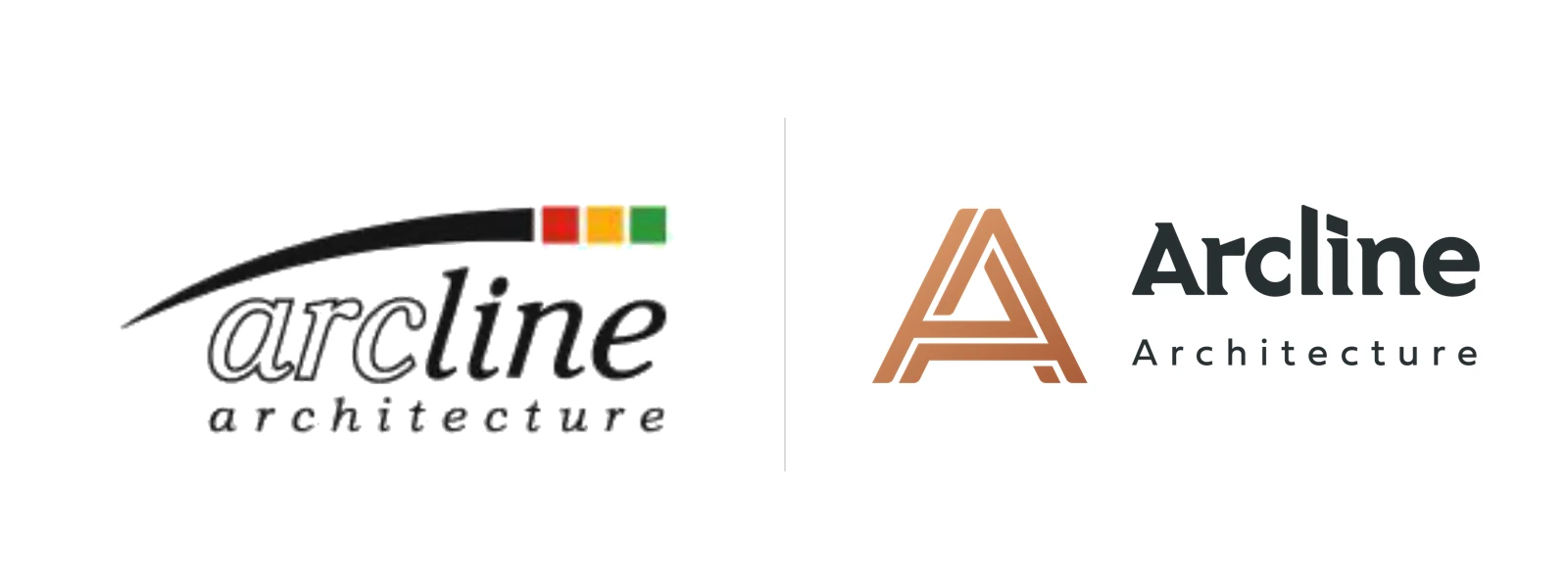
Arcline Architecture is a family architecture studio from Northland, New Zealand. Before the rebrand, the brand didn't reflect the quality of their work and got lost among the region's competitors. After the rebrand in 2019 the studio doubled in size — in both sales and headcount. In Trent Simpkin's words, though, the most important thing was something else: "They gave us the confidence to go out and talk about our company."
Related terms: Branding, Brand strategy, Brand identity.